The Cyclades: A Maritime World Shaped by Wind, Light and History
The Cyclades are not simply a collection of islands; they are a maritime system that has existed for millennia at the crossroads of the eastern Mediterranean. Long before tourism, these islands formed a vital network of sea routes connecting mainland Greece, Asia Minor and the wider Aegean. Their identity has always been defined by the sea, by exposure, and by movement.
The name “Cyclades” itself comes from the ancient Greek word kyklos, meaning circle, referring to the islands that encircle the sacred island of Delos. This symbolic geography already tells much about the region: the Cyclades were never isolated outposts, but part of a structured maritime world where navigation, trade and cultural exchange were central to daily life.
For yacht charter guests today, this deep maritime heritage is still visible. Ports, villages and even island layouts reflect centuries of adaptation to wind, sea and trade. Approaching the Cyclades by yacht is not a modern luxury concept; it is the most historically authentic way to experience them.
Geography and the Aegean Sea: Understanding the Cycladic Environment
The Cyclades sit at the very centre of the Aegean Sea, fully exposed to open water. Unlike regions protected by a nearby mainland or enclosed seas, the Cyclades face the Aegean directly, with wide channels separating many of the islands.
This geography is fundamental to understanding why chartering here feels so different from other parts of Greece. Distances are real, horizons are wide, and the sea is always present as an active element rather than a backdrop.
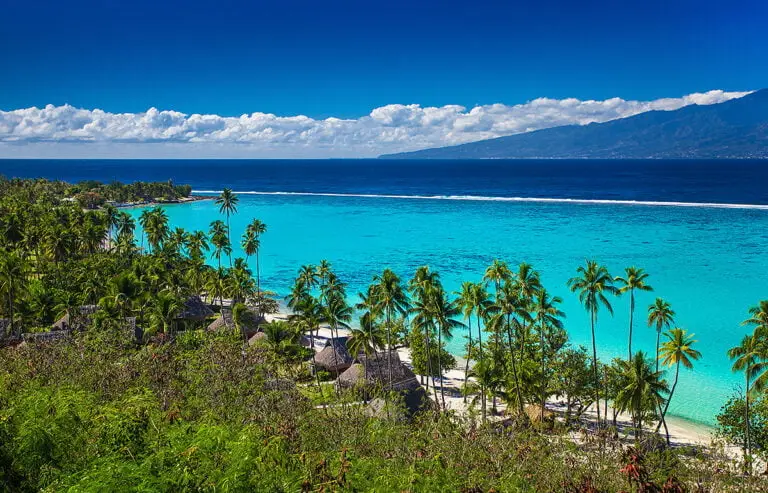
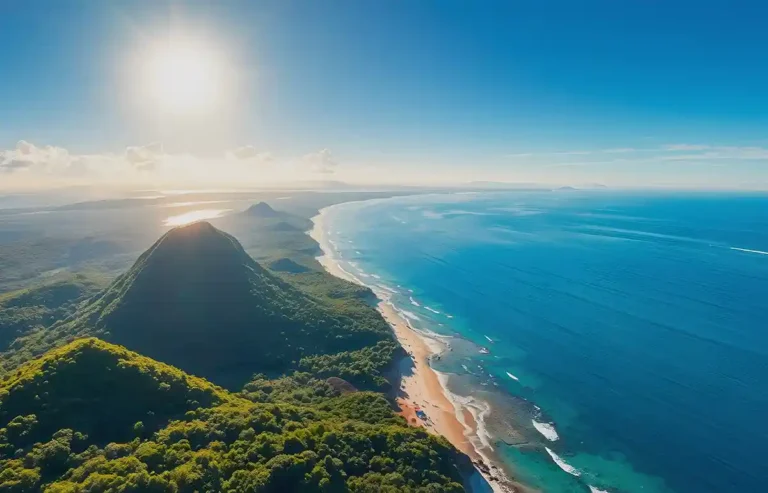
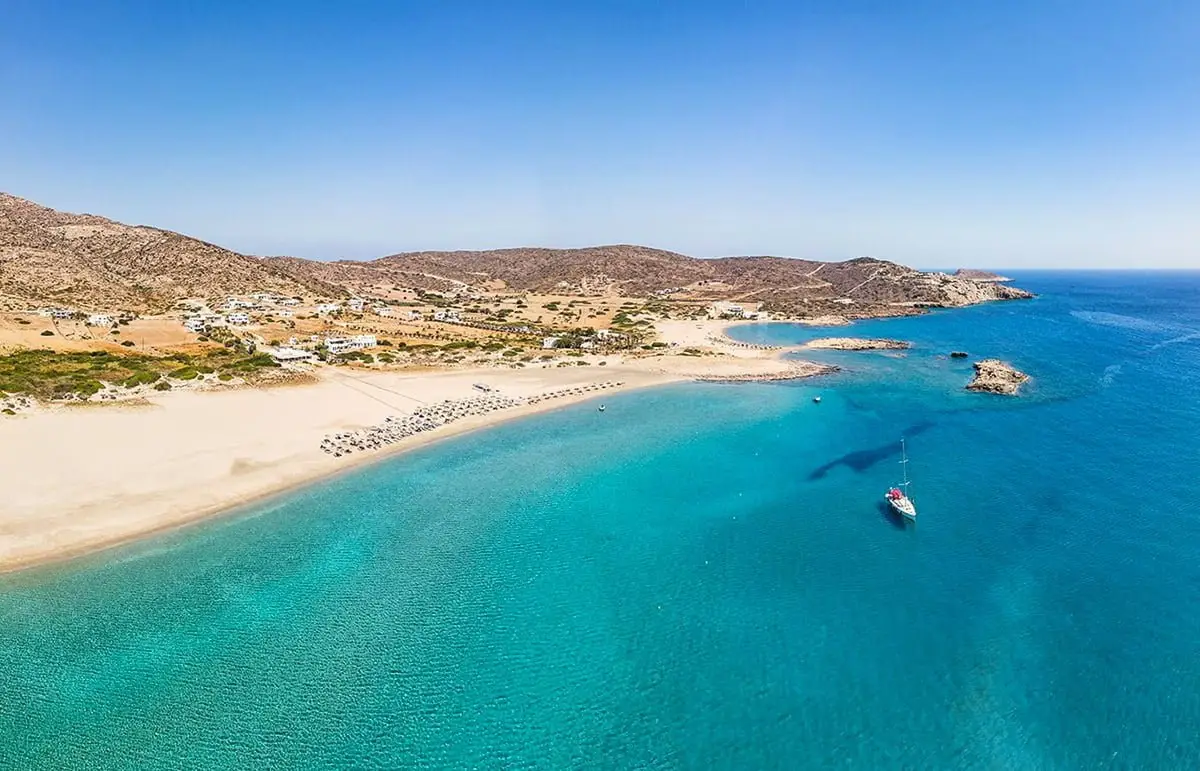
The islands are predominantly rocky and volcanic, with limited vegetation, sharp relief and coastlines carved by wind and erosion. This creates dramatic arrivals by sea, where cliffs rise abruptly from deep blue water and villages appear suddenly, perched above natural harbours.
For charter guests, this exposure delivers a powerful sense of scale and movement. The Cyclades do not feel like coastal cruising; they feel like genuine island navigation.
Wind and Navigation: The Role of the Meltemi
No understanding of the Cyclades is complete without addressing the Meltemi. This northerly wind, prevalent from late spring through summer, has shaped the region’s history, architecture and sailing culture for centuries.
Historically, the Meltemi dictated trade routes, ship design and seasonal rhythms. Today, it remains a defining feature of yacht charter in the Cyclades. Rather than being a drawback, it is part of the destination’s identity.
For experienced charter guests, the Meltemi brings clarity: dry air, sharp visibility and a sense of dynamic navigation. For others, it requires intelligent itinerary design, island selection and timing.
What matters is not avoiding the wind entirely, but understanding how it interacts with island geography. Some islands offer natural lee sides, protected bays or routes that allow comfortable cruising even during windy periods. This is why Cyclades itineraries are never generic and why this region rewards informed planning.
The Cyclades Through Time: From Antiquity to Modern Greece
The Cyclades played a central role in ancient Greek civilisation. Delos, once one of the most important religious and commercial centres of the ancient world, sat at the heart of the archipelago. From here, goods, ideas and people moved constantly between islands and beyond.
Later, the Cyclades passed through Roman, Byzantine, Venetian and Ottoman periods, each leaving distinct marks. Venetian fortifications, Catholic influences, neoclassical architecture and fortified villages all reflect a history shaped by the need to control and protect maritime routes.
Unlike regions that developed inward-looking cultures, the Cyclades were always outward-facing. This openness is still felt today in the islands’ strong identities, independent spirit and relationship with the sea.
Chartering a yacht through the Cyclades is, in many ways, retracing these ancient maritime paths.
The Cyclades as a Yacht Charter Experience
What defines the Cyclades for yacht charter is contrast. Islands differ sharply from one another in atmosphere, scale and energy, often within a few hours of navigation.
A single itinerary can include cosmopolitan ports, quiet fishing villages, uninhabited islets and dramatic volcanic coastlines. This diversity is one of the Cyclades’ greatest strengths, but it also demands selectivity. Not every island serves the same purpose within a charter.
Rather than visiting as many islands as possible, successful Cyclades charters focus on rhythm: knowing when to cross open water, when to remain at anchor, and when to embrace the energy of an island rather than resist it.
Key Islands of the Cyclades for Yacht Charter
Mykonos
Mykonos is the most internationally recognised island of the Cyclades. Its reputation for nightlife and global visibility often overshadows its maritime role, yet from a yachting perspective, Mykonos functions primarily as a gateway.
Its value lies in accessibility, provisioning and international connectivity. When used intelligently, Mykonos works best as an embarkation or disembarkation point rather than the core of an itinerary. Approached this way, it provides energy and contrast without dominating the charter experience.
Paros and Antiparos
Paros occupies a strategic position within the Cyclades, offering balance between exposure and shelter. Its ports and anchorages are well suited to yacht traffic, while its interior retains a strong Cycladic character.
Antiparos, directly opposite, introduces a more understated atmosphere. Favoured for relaxed stops, refined dining and a slower pace, it offers a counterpoint to more intense islands and often becomes a highlight for guests seeking discretion.
Naxos
Naxos is the largest island in the Cyclades and historically one of the most important. Fertile, mountainous and culturally rich, it offers a depth rarely found elsewhere in the archipelago.
For yacht charter guests, Naxos provides substance. Longer stays are rewarded with access to authentic villages, archaeological sites and a sense of continuity between sea and land that is often missing on smaller islands.
Milos
Milos is geologically unique, shaped by volcanic activity that has created an extraordinary coastline. From the sea, the island reveals a constantly changing landscape of colours, textures and formations.
This diversity makes Milos particularly appealing for guests who enjoy exploration by tender and frequent stops. It is one of the most visually varied islands in the Cyclades when experienced from a yacht.
Santorini
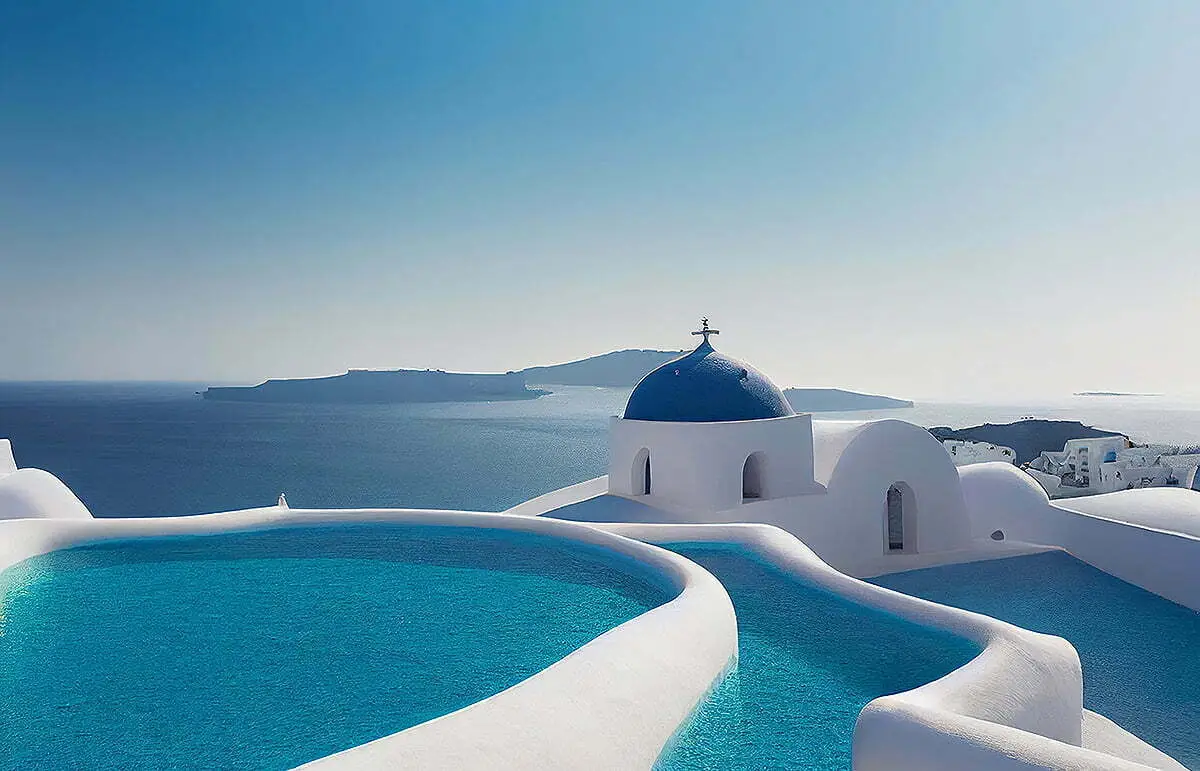
Santorini is defined by its caldera, one of the most recognisable maritime landscapes in the world. Approaching the island by yacht offers a perspective that land-based visitors never experience.
Santorini, however, requires precision. Limited berthing, heavy traffic and high demand mean that it is best integrated selectively into an itinerary. When timed correctly, it delivers an unforgettable visual and cultural moment.
Serifos, Sifnos, Folegandros and Sikinos
These islands represent a quieter Cycladic core. Less commercialised, strongly rooted in local life and defined by simple beauty, they offer contrast and authenticity.
For repeat charter guests or those seeking a more contemplative experience, these islands often provide the most meaningful memories.
Seasonal Perspective: When to Charter the Cyclades
Seasonality is central to the Cyclades experience. Spring and early summer offer milder winds, blooming landscapes and a sense of anticipation as islands come back to life.
High summer brings intensity: strong light, active winds and vibrant island life. This is the Cyclades at their most expressive, suited to guests who enjoy energy and contrast.
September and early autumn are often considered ideal, combining warm seas, softer light and reduced crowds. The islands retain their character while allowing for more relaxed navigation.
Understanding these seasonal shifts is essential to aligning expectations and designing a charter that feels appropriate rather than forced.
Who the Cyclades Are Best Suited For
The Cyclades are not a universal destination, and that is precisely their strength.
They are particularly well suited to:
• guests seeking iconic Greek imagery
• repeat charter clients looking for contrast and intensity
• travellers interested in history, culture and landscape
• those who appreciate a destination with strong personality
They are less suited to guests seeking uniformly calm conditions or minimal variation between days.
Why the Cyclades Remain a Benchmark Destination
The Cyclades endure because they offer something elemental. Wind, sea, light and stone come together in a way that feels immediate and honest. Chartering here is not about ease alone; it is about immersion.
For those who want to understand Greece through its most expressive maritime region, the Cyclades remain unmatched.