1. Why Use a Yacht Broker When Buying a Yacht
Purchasing a yacht is a complex transaction that goes far beyond selecting a vessel. A buyer’s broker acts exclusively in the interests of the buyer, providing independent advice, market intelligence, and professional representation throughout the acquisition process.
An experienced yacht broker gives buyers access to both publicly listed and off-market opportunities, ensuring a broader and more accurate view of the market. Beyond sourcing yachts, the broker’s role is to protect the buyer at every stage: assessing asking prices against real market value, identifying technical and legal risks, coordinating due diligence, and structuring negotiations to secure the best possible terms.
Equally important, a buyer’s broker manages the process objectively, without conflict of interest. From offer strategy and contract terms to sea trials, surveys, and closing, the broker ensures that decisions are informed, documented, and aligned with the buyer’s long-term objectives.
In a market where mistakes can be costly, working with a qualified yacht broker is not a convenience — it is a strategic safeguard.
2. Defining Your Yacht Purchase Objectives
Before selecting a yacht, it is essential to clearly define your ownership objectives. The way a yacht will be used directly influences its size, layout, technical specifications, crew requirements, operating costs, and long-term suitability.
A buyer should first determine whether the yacht is intended primarily for private family cruising, long-distance exploration, occasional charter activity, or a combination of these uses. Each scenario carries different operational, regulatory, and design implications. A yacht designed for Mediterranean cruising weekends will differ significantly from one built for transoceanic passages or charter compliance.
Ownership objectives should also account for lifestyle preferences, cruising areas, seasonality, and the level of involvement the owner wishes to have in daily operations. Decisions made at this stage help avoid costly compromises later and ensure the selected yacht remains aligned with both short-term enjoyment and long-term plans.
A clear definition of purpose is the foundation of a successful yacht purchase and allows the buying process to remain focused, efficient, and strategically sound.
3. Selecting the Right Yacht Type and Design
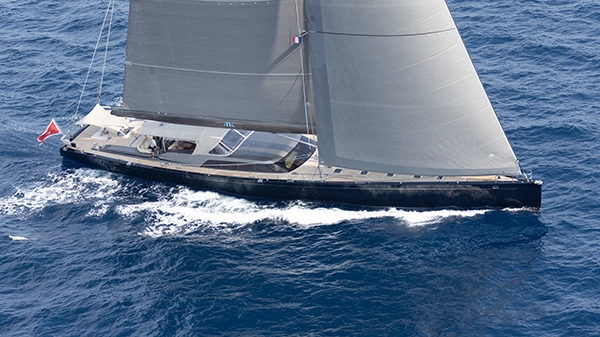
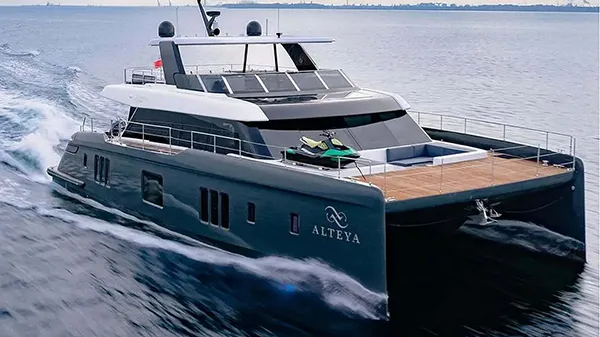
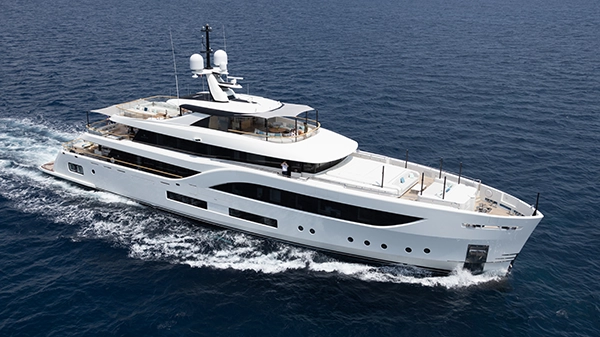
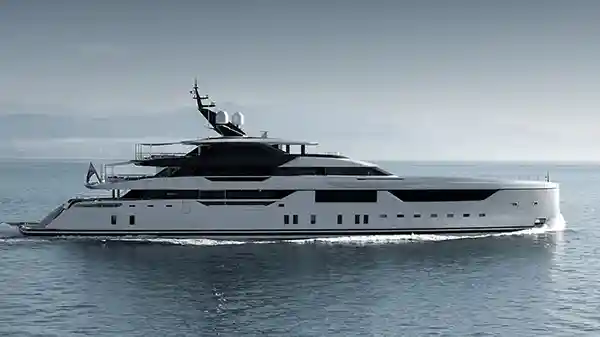
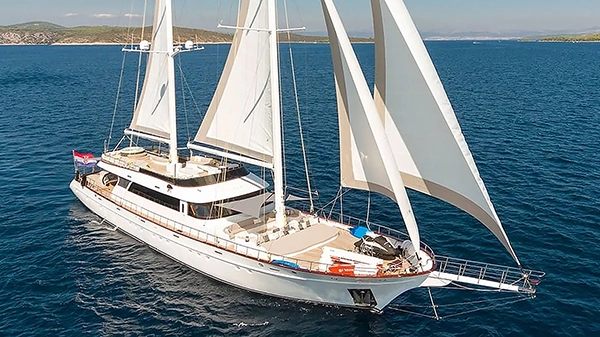
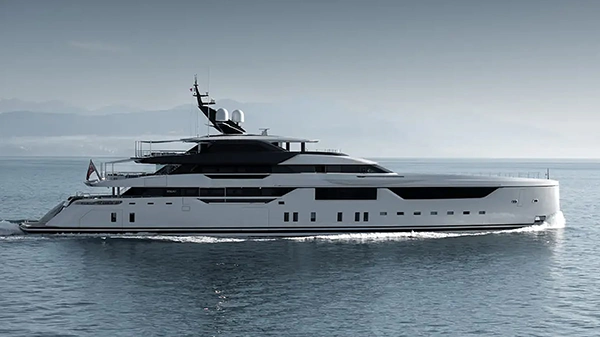
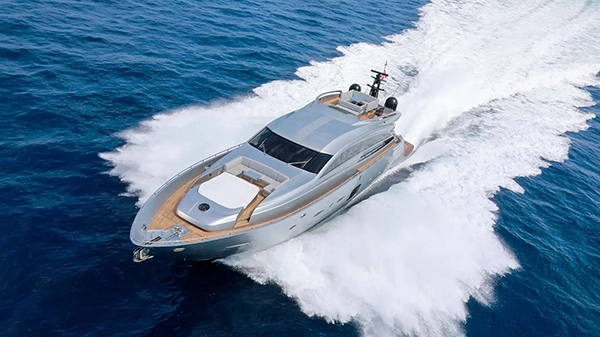
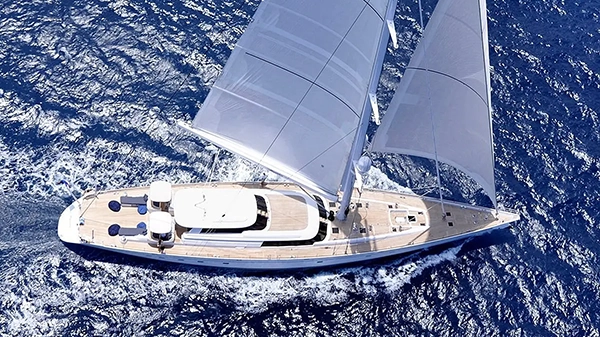
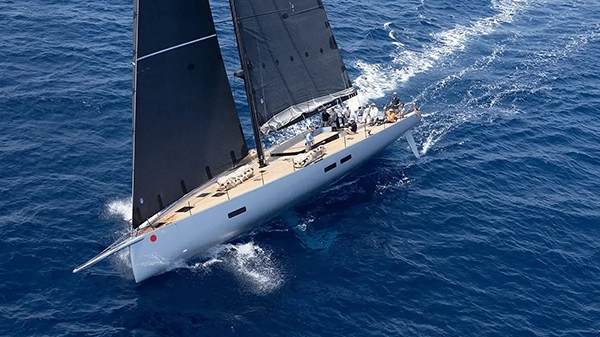
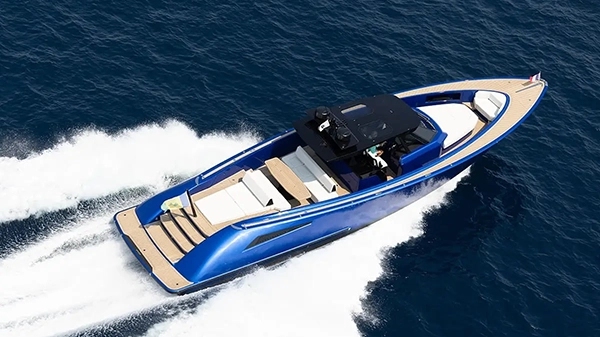
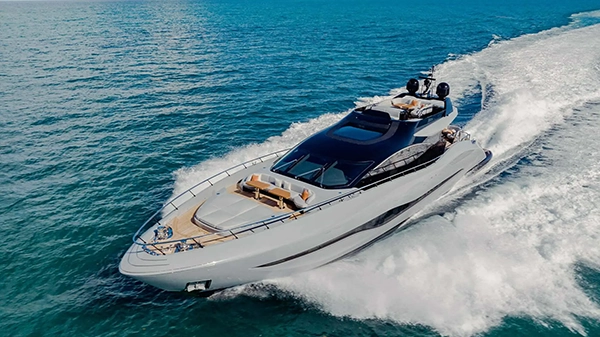
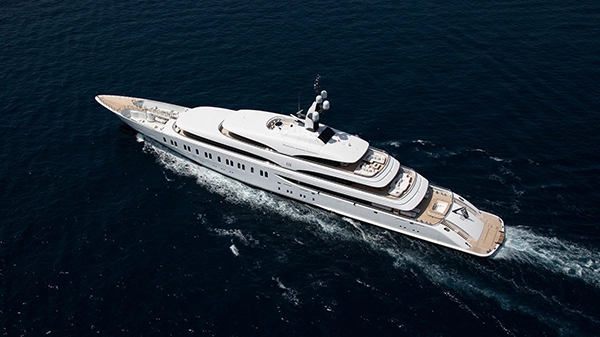
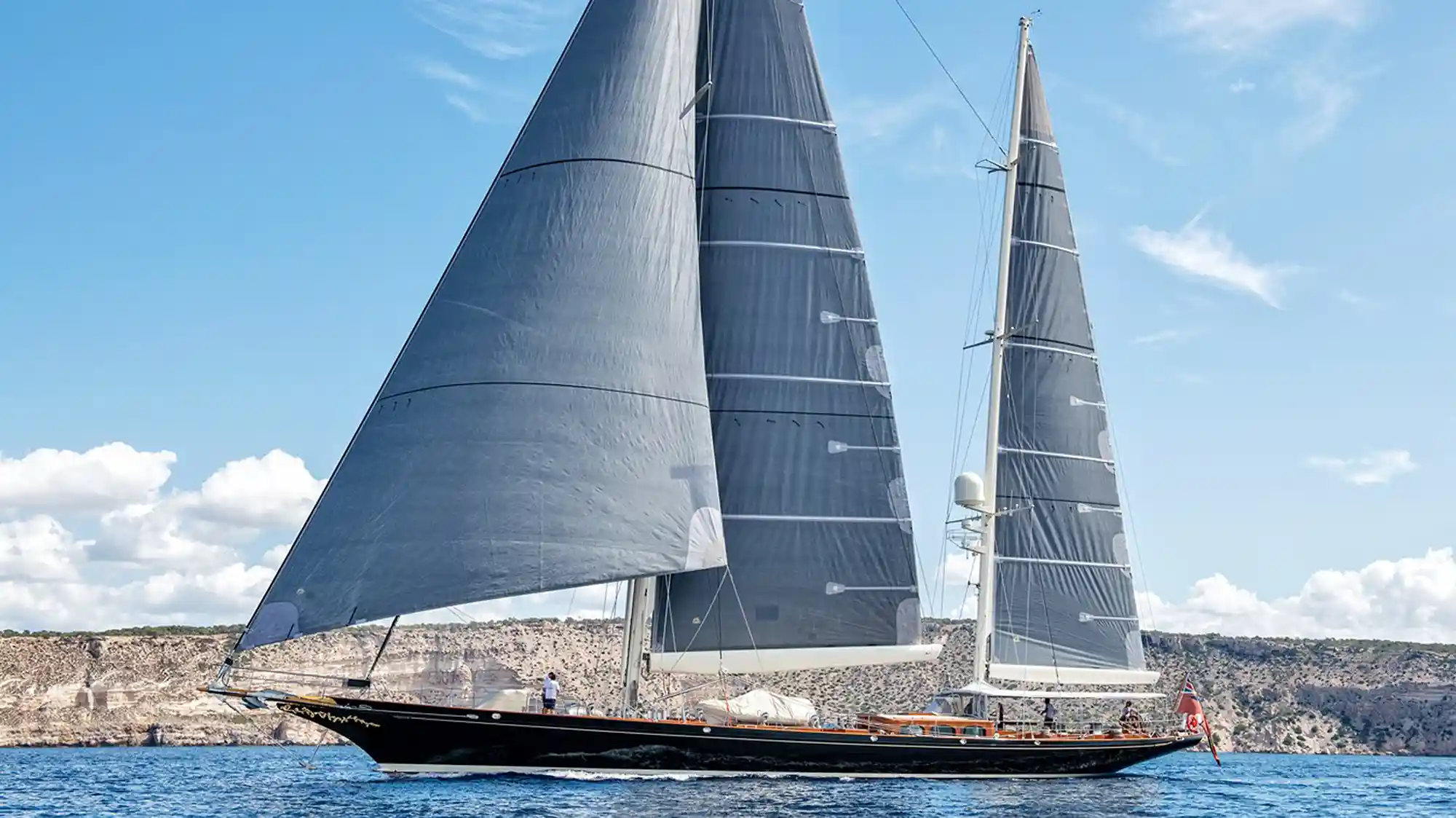
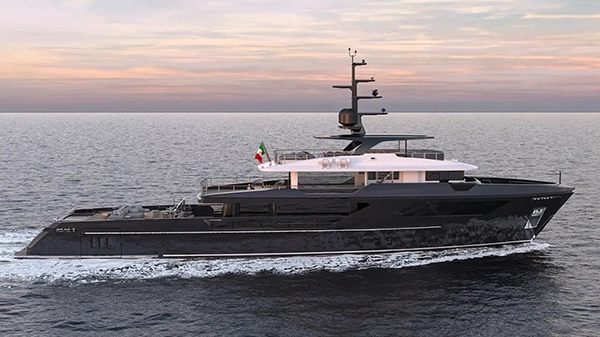
Choosing the right yacht type and design is a strategic decision that must align with your ownership objectives, cruising plans, and long-term expectations. Motor yachts, sailing yachts, explorer yachts, and performance-oriented vessels each offer distinct advantages in terms of range, comfort, autonomy, and operating profile.
Key considerations include hull design, propulsion, draft, fuel efficiency, and onboard layout. Interior volume, cabin configuration, outdoor living spaces, and crew circulation all play a crucial role in day-to-day comfort and operational efficiency. Design choices should balance aesthetics with functionality, ensuring the yacht remains practical for its intended use rather than driven solely by visual appeal.
At this stage, buyers must also consider build philosophy — production, semi-custom, or full custom — as this impacts delivery timelines, customization potential, resale liquidity, and long-term maintenance. An experienced broker helps evaluate these options objectively, guiding buyers toward a yacht that not only meets immediate expectations but remains suitable, efficient, and desirable over time.
4. Budgeting and Total Cost of Yacht Ownership
Establishing a realistic budget is a critical step in any yacht purchase and must extend well beyond the initial acquisition price. In addition to the purchase cost, buyers should carefully consider the total cost of ownership, which includes annual operating expenses, maintenance, crew, insurance, berthing, fuel, and periodic refits.
Operating costs typically range as a percentage of the yacht’s value and vary depending on size, complexity, cruising areas, and usage. Capital expenditures, such as major maintenance items or upgrades, should also be anticipated to preserve the yacht’s condition and long-term value. A clear understanding of these costs allows buyers to assess affordability accurately and avoid unexpected financial pressure after delivery.
Budget planning should further take into account taxes, registration fees, and ownership structure, which can have a significant impact on the overall financial picture. A professional yacht broker assists buyers in building a comprehensive budget model, providing realistic cost benchmarks and ensuring that the chosen yacht remains financially sustainable over time.
A well-defined budget framework enables informed decision-making and protects the enjoyment and longevity of the ownership experience.
5. New Build vs Pre-Owned Yachts
One of the key decisions in a yacht purchase is choosing between a new build and a pre-owned yacht. Each option presents distinct advantages and considerations, depending on the buyer’s objectives, timeline, and appetite for customization.
A new build offers the opportunity to tailor the yacht to precise specifications, from layout and materials to technical systems and performance. Buyers benefit from the latest design standards, engineering solutions, and regulatory compliance. However, new builds typically involve longer delivery timelines, staged payment schedules, and a higher level of involvement throughout the construction process.
Pre-owned yachts, by contrast, provide immediate or near-immediate availability and allow buyers to assess a vessel’s real-world performance and operating history. They may represent strong value opportunities, particularly when properly surveyed and competitively priced. Refits or upgrades can also be undertaken to align the yacht more closely with the buyer’s preferences.
An experienced yacht broker helps evaluate both options objectively, weighing delivery timing, customization potential, depreciation, and resale considerations to determine which path best aligns with the buyer’s priorities and long-term strategy.
6. Market Intelligence and Off-Market Opportunities
Understanding real market conditions is essential when buying a yacht. Public listings often reflect asking prices rather than actual transaction values, and many of the most attractive opportunities never appear on the open market. Accurate market intelligence allows buyers to assess value objectively and act strategically.
Off-market yachts are typically available through trusted brokerage networks and direct owner relationships. These opportunities may offer greater discretion, more realistic pricing, or access to yachts before they are widely marketed. Identifying them requires strong industry connections, up-to-date market knowledge, and a clear understanding of owner motivations.
A yacht broker plays a key role in filtering market information, distinguishing genuine opportunities from overpriced listings, and advising on timing and negotiation strategy. By combining live market data with off-market access, buyers are better positioned to secure the right yacht under the right conditions.
In a dynamic and opaque market, informed guidance and accurate intelligence are decisive advantages throughout the acquisition process.
7. Legal Structure, Flag and Regulatory Framework
The legal structure under which a yacht is owned and operated has significant implications for taxation, regulatory compliance, usage, and long-term flexibility. These decisions should be addressed early in the purchase process, as they directly influence how the yacht can be registered, operated, and potentially chartered.
Choosing the appropriate flag state affects safety standards, crewing requirements, inspection regimes, and operational limitations. Different flags offer varying advantages depending on cruising areas, intended use, and the owner’s residency or corporate structure. Compliance with international conventions and local regulations must be carefully managed to avoid operational or legal restrictions.
Ownership structure is equally important. Yachts may be held privately, through corporate entities, or within more complex arrangements depending on tax planning, asset protection, and succession considerations. Each option carries specific legal and financial consequences that should be reviewed with specialist advisors.
A knowledgeable yacht broker coordinates closely with maritime lawyers, tax advisors, and flag authorities to ensure that the chosen structure and registration align with the buyer’s objectives, regulatory obligations, and long-term ownership strategy.
8. The Offer to Purchase (OTP)
The offer to purchase is a critical step in the yacht acquisition process, as it formally defines the buyer’s intention, key commercial terms, and conditions under which the transaction may proceed. A well-structured offer protects the buyer while providing a clear framework for negotiations.
An effective offer typically outlines the proposed purchase price, deposit amount, validity period, and conditions precedent, such as successful survey and sea trial results. It also defines timelines for acceptance, due diligence, and contract execution. Careful wording at this stage helps manage risk and preserves flexibility should issues arise during inspections or negotiations.
The offer process requires a clear understanding of market value, seller expectations, and competitive dynamics. An experienced yacht broker advises on pricing strategy, structures the offer to reflect the buyer’s priorities, and manages negotiations objectively on the buyer’s behalf.
Handled correctly, the offer to purchase establishes a strong foundation for the transaction and sets the tone for a controlled and transparent acquisition process.
9. Memorandum of Agreement (MOA)
The Memorandum of Agreement (MOA) is the primary contractual document governing the yacht purchase. It formalises the terms agreed between buyer and seller and defines the legal framework under which the transaction will proceed.
The MOA typically sets out the purchase price, deposit arrangements, payment milestones, delivery conditions, representations and warranties, and the circumstances under which either party may withdraw. It also details the buyer’s rights during the survey and sea trial period, including remedies in the event of deficiencies or non-compliance.
Given the financial and legal implications, the MOA must be carefully reviewed and negotiated. Standard forms are often used as a starting point, but clauses may be amended to reflect the specific characteristics of the yacht, the transaction structure, and the buyer’s risk profile.
A yacht broker works closely with maritime legal counsel to ensure that the MOA adequately protects the buyer’s interests, provides contractual clarity, and supports a smooth progression toward closing.
10. Financing a Yacht Purchase
Financing can play a strategic role in a yacht purchase, depending on the buyer’s financial objectives, asset structure, and overall investment strategy. While some acquisitions are completed on a cash basis, others may involve tailored financing solutions to optimise liquidity, tax planning, or capital allocation.
Yacht financing is typically provided by specialised marine lenders and private banks, with terms influenced by factors such as the yacht’s age, flag, value, intended use, and ownership structure. Loan-to-value ratios, interest rates, repayment schedules, and security arrangements must be carefully evaluated in the context of the buyer’s broader financial planning.
The financing process also requires close coordination with the legal and contractual framework of the purchase, including the MOA, registration, and insurance requirements. Early planning helps avoid delays and ensures that financing conditions align with transaction timelines.
A yacht broker assists buyers by coordinating with experienced marine finance professionals, ensuring that financing options are assessed objectively and integrated seamlessly into the overall acquisition process.
11. Sea Trial and Technical Due Diligence
The sea trial and technical due diligence phase is a critical component of the yacht buying process, allowing the buyer to assess the vessel’s real-world performance, systems, and overall condition before proceeding to completion.
During the sea trial, the yacht is operated under normal conditions to evaluate handling, propulsion, stability, noise and vibration levels, and the functionality of key onboard systems. This stage provides valuable insight into how the yacht performs at sea and whether it meets the buyer’s expectations in practice, not just on paper.
Technical due diligence extends beyond the sea trial itself and involves a detailed review of the yacht’s machinery, systems, maintenance records, classification status, and compliance with applicable regulations. Any deficiencies identified during this phase may form the basis for renegotiation, remedial works, or, in some cases, withdrawal from the transaction.
An experienced yacht broker coordinates this process in close collaboration with surveyors, engineers, and legal advisors, ensuring that findings are properly documented, assessed, and addressed in the buyer’s best interests.
12. Independent Marine Survey and Survey Report
An independent marine survey is a fundamental safeguard in the yacht purchase process and provides an objective assessment of the vessel’s condition. Conducted by a qualified surveyor appointed by the buyer, the survey focuses on structural integrity, machinery, onboard systems, safety equipment, and overall compliance.
The survey report identifies deficiencies, maintenance issues, and potential areas of concern that may not be immediately visible during inspections or sea trials. Findings are typically categorised by severity, allowing the buyer to clearly understand which issues require immediate attention and which may be addressed over time.
Survey results play a central role in post-survey negotiations. Depending on the nature of the findings, the buyer may request remedial works to be completed prior to delivery, seek a price adjustment, or, where contractually permitted, withdraw from the transaction. Proper interpretation of the survey report is therefore critical to protecting the buyer’s interests.
A yacht broker assists the buyer in reviewing the survey findings, coordinating discussions with technical experts, and structuring negotiations to ensure that risks are properly mitigated before proceeding toward completion.
13. Payment Schedule and Closing Process
The payment schedule and closing process define how and when funds are transferred from buyer to seller and mark the final stages of the yacht acquisition. These steps must be carefully coordinated to ensure security, transparency, and compliance with the terms of the Memorandum of Agreement.
Payments are typically structured around key milestones, including contract execution, deposit placement, post-survey adjustments, and final balance at delivery. Funds are usually held in escrow or client accounts until contractual conditions have been satisfied, providing protection for both parties throughout the transaction.
The closing process also involves the completion of legal documentation, confirmation of title transfer, settlement of outstanding costs, and coordination with registration and flag authorities. Timing is critical, as delays or procedural errors can impact delivery and operational readiness.
A yacht broker oversees the closing process in coordination with legal counsel, escrow agents, and technical advisors, ensuring that all conditions are met and that ownership is transferred smoothly and securely.
14. Delivery, Registration and Entry into Service
Delivery marks the formal transfer of the yacht to the buyer and represents a critical operational milestone. This phase includes final acceptance of the vessel, confirmation that all contractual conditions have been satisfied, and coordination of the yacht’s handover to the owner and crew.
Registration and flag documentation must be completed in accordance with the selected ownership structure and regulatory framework. This process may involve the issuance of provisional or permanent registration certificates, compliance inspections, and confirmation of statutory requirements related to safety, crewing, and insurance.
Entry into service also requires careful preparation. Crew familiarisation, systems handover, warranty documentation, technical manuals, and inventory checks are essential to ensure the yacht is fully operational from day one. Any outstanding technical items or agreed works should be clearly documented and scheduled.
A yacht broker coordinates closely with the shipyard or seller, flag authorities, managers, and crew to ensure a smooth transition into ownership, minimising disruption and ensuring that the yacht is ready for immediate and compliant operation.
15. Exit Strategy, Resale Value and Long-Term Planning
A yacht purchase should always be approached with a clear long-term perspective, including consideration of future resale and exit strategy. Market liquidity, brand reputation, build quality, and maintenance history all have a direct impact on a yacht’s ability to retain value over time.
Decisions made at the acquisition stage — such as yacht type, shipyard, specification choices, and technical configuration — significantly influence resale appeal. A yacht that is well-specified, properly maintained, and aligned with market demand will typically be easier to sell and command stronger interest when the time comes to exit.
Long-term planning should also account for lifecycle costs, refit cycles, and potential changes in usage or ownership structure. Anticipating these factors allows owners to manage the asset proactively rather than reactively, preserving both enjoyment and value.
A buyer’s broker plays an important role not only at the time of purchase, but throughout the ownership lifecycle. By considering exit strategy from the outset, buyers are better positioned to make informed decisions that protect their investment and provide flexibility for the future.