1. Define Your Purpose
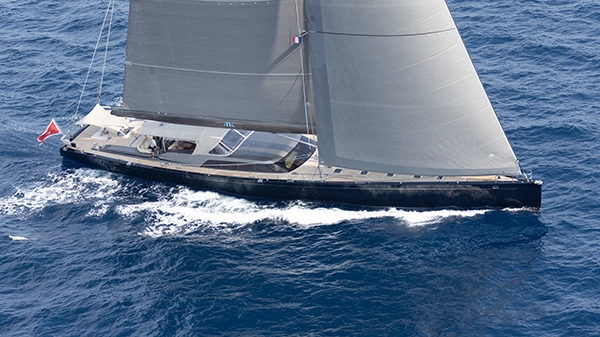
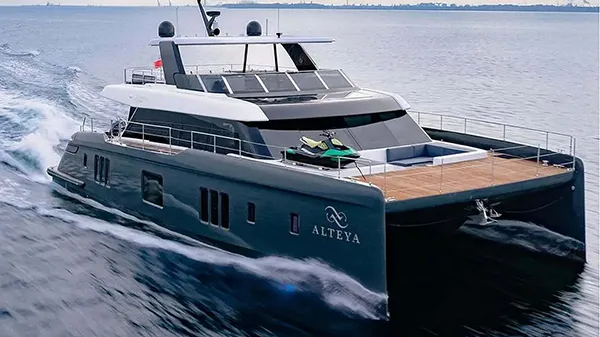
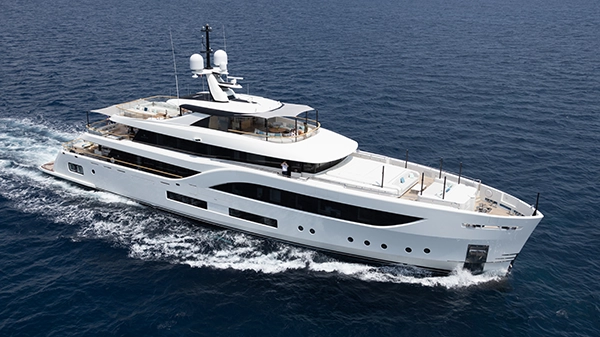
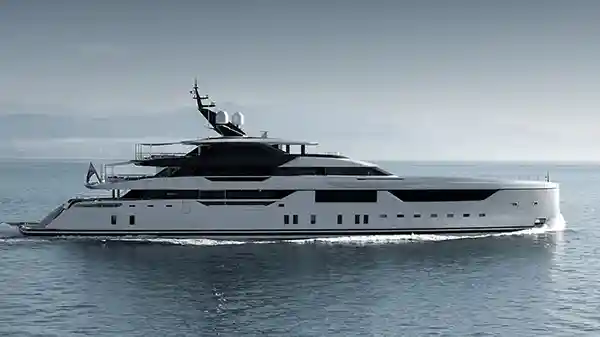
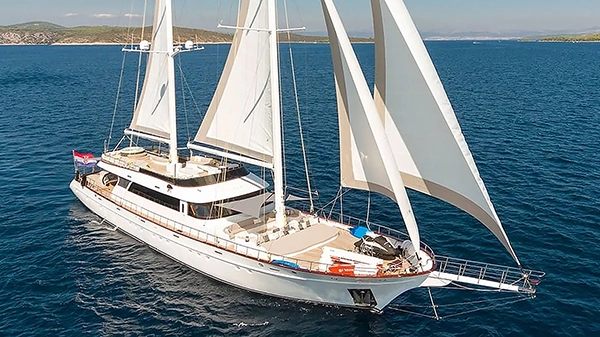
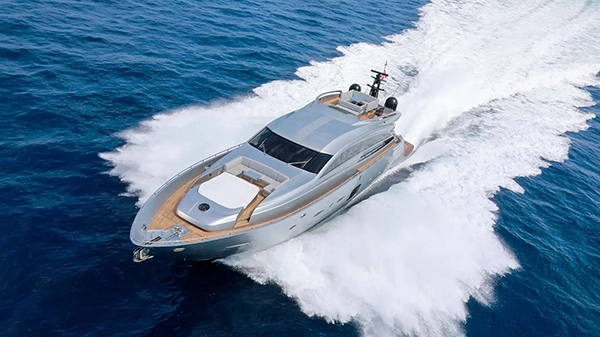
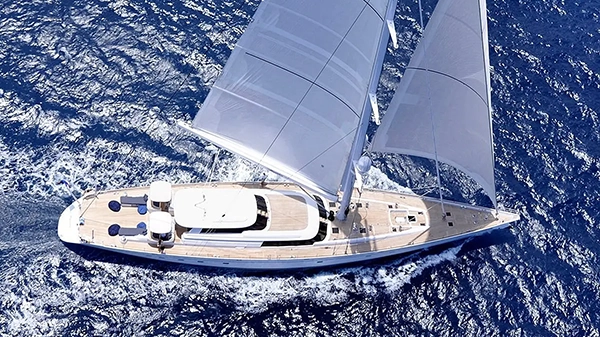
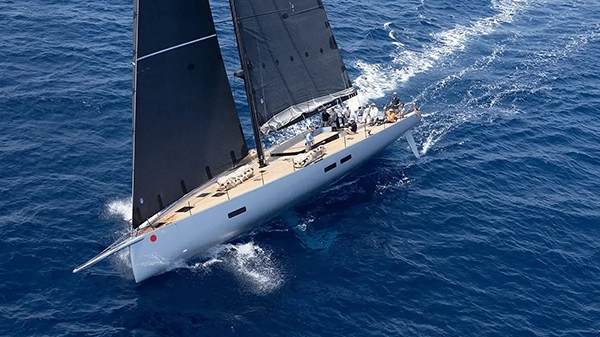
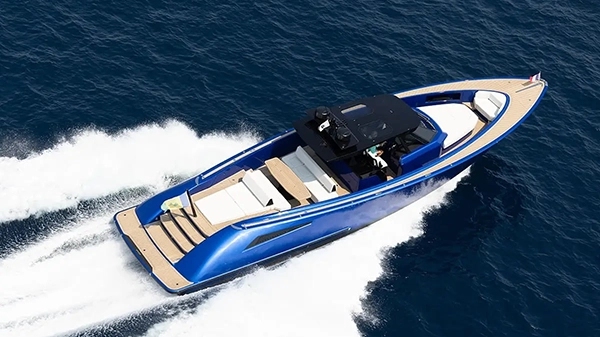
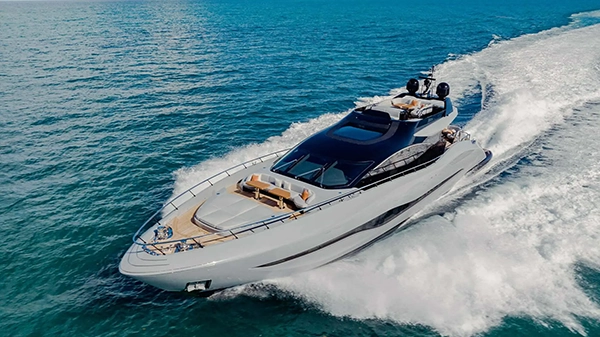
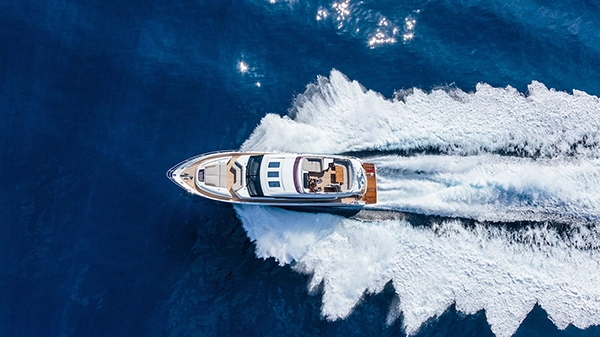
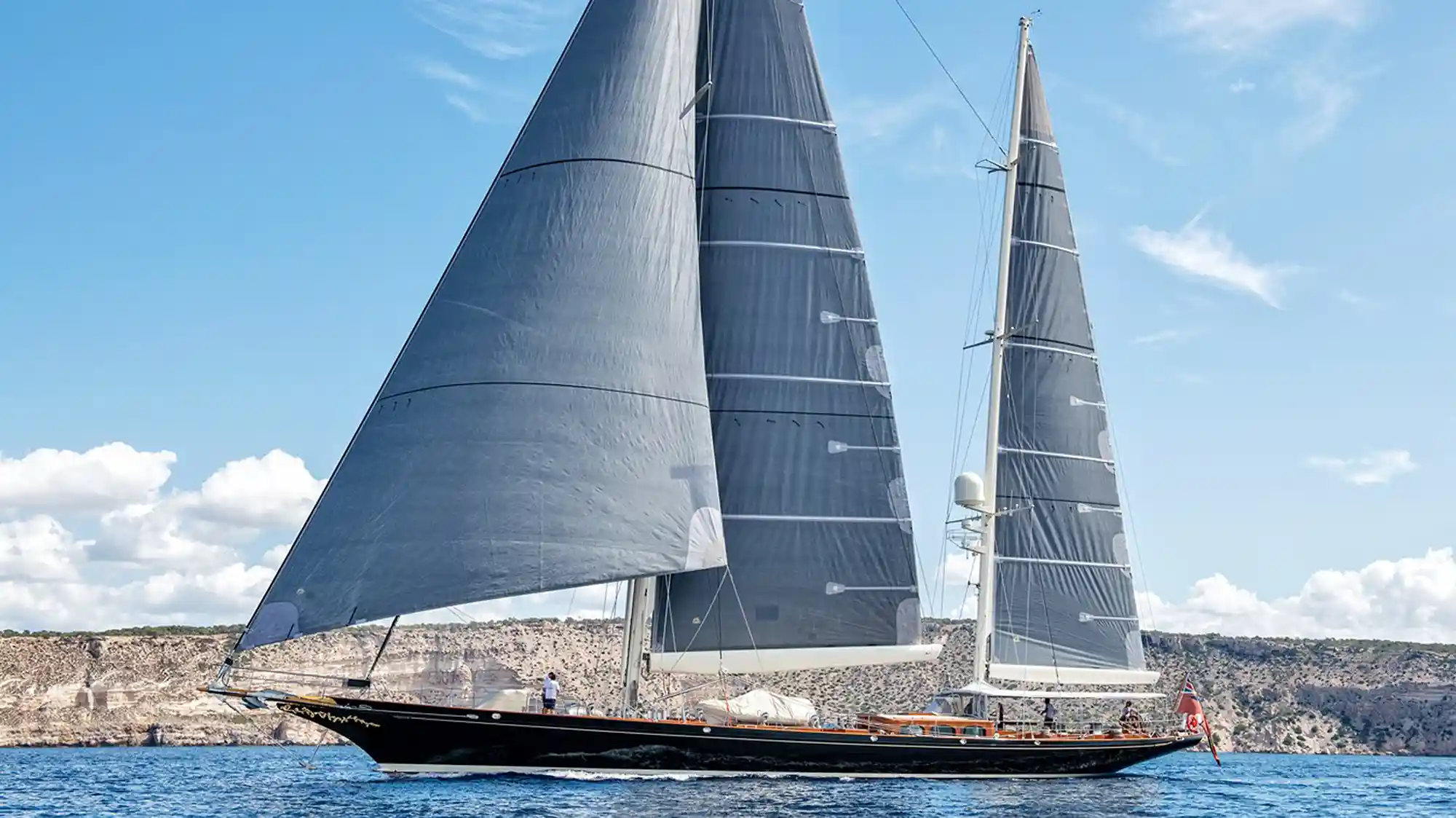
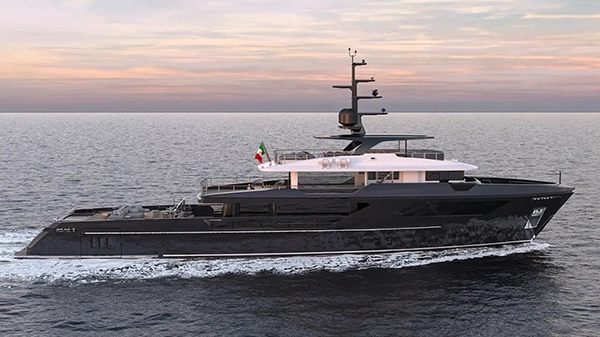
Motor yachts, sailing yachts, catamarans, and explorer yachts each offer distinct advantages depending on your expectations.
Beyond propulsion, design philosophy matters: interior volume, outdoor living spaces, fuel efficiency, stability at sea, and ease of operation all influence the ownership experience.
Choosing the right type is not about trends, but about long-term suitability.
2. Yacht Type & Design Philosophy
The first and most critical step is to clearly define how you intend to use your yacht.
Will it be primarily for private family cruising, long-distance exploration, or occasional charter use? Each purpose directly impacts the yacht’s size, layout, crew requirements, and technical specifications.
A yacht designed for weekend coastal cruising will differ significantly from one intended for transoceanic voyages or charter operations. Understanding your objectives from the outset avoids costly compromises later.
3. Size, Crew & Operational Complexity
Size directly affects not only comfort and amenities, but also crew structure, operating costs, and port accessibility.
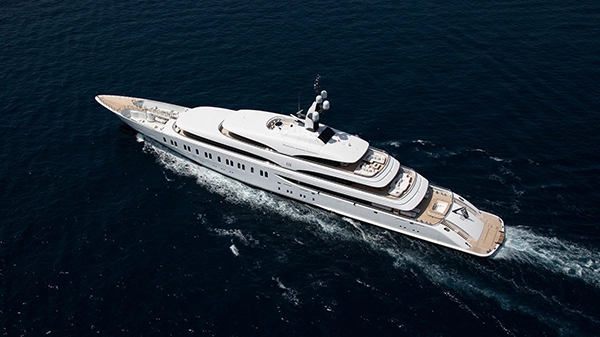
Larger yachts provide enhanced luxury features such as jacuzzis, helipads, and dedicated wellness areas, but they also require professional crew management, increased maintenance, and more complex logistics. Finding the right balance is essential to ensure enjoyment without unnecessary constraints.
4. Budget & Total Cost of Ownership
The purchase price is only one component of yacht ownership.
Annual operating costs — including crew salaries, maintenance, insurance, dockage, fuel, and periodic refits must be carefully evaluated.
A realistic and transparent budget ensures that ownership remains a pleasure rather than a burden. At L’Echo Nautique, we help clients anticipate the full financial picture before committing.
5. New Build vs. Pre-Owned Yachts
New builds offer customization and the latest technology, but involve longer delivery timelines and contractual complexity.
Pre-owned yachts, when properly selected and surveyed, can represent excellent value and immediate availability.
The right option depends on your timeline, usage plans, and appetite for customization versus proven reliability.
6. Market Knowledge & Off-Market Opportunities
Not all yachts are publicly listed. Many of the most attractive opportunities are exchanged discreetly within professional brokerage networks.
Access to off-market listings and accurate market intelligence can significantly influence pricing, negotiation leverage, and availability — a key advantage of working with an established independent broker.
7. Legal, Flag & Regulatory Framework
Yacht ownership involves complex legal considerations, including flag state regulations, VAT or tax exposure, registration, insurance, and compliance with international maritime standards.
As an experienced MYBA member, L’Echo Nautique ensures that every legal and regulatory aspect is addressed correctly, protecting the buyer at every stage of the transaction.
8. Exit Strategy & Resale Value
A well-purchased yacht retains value.
Understanding market liquidity, brand reputation, build quality, and resale positioning is essential — even at the time of purchase.
Thinking ahead ensures flexibility and preserves capital over time.