Why Charter a Yacht for the Monaco Grand Prix
The Monaco Grand Prix is not just a race — it is one of the most exclusive events in the world, where Formula 1, luxury lifestyle and global business converge in a unique setting.
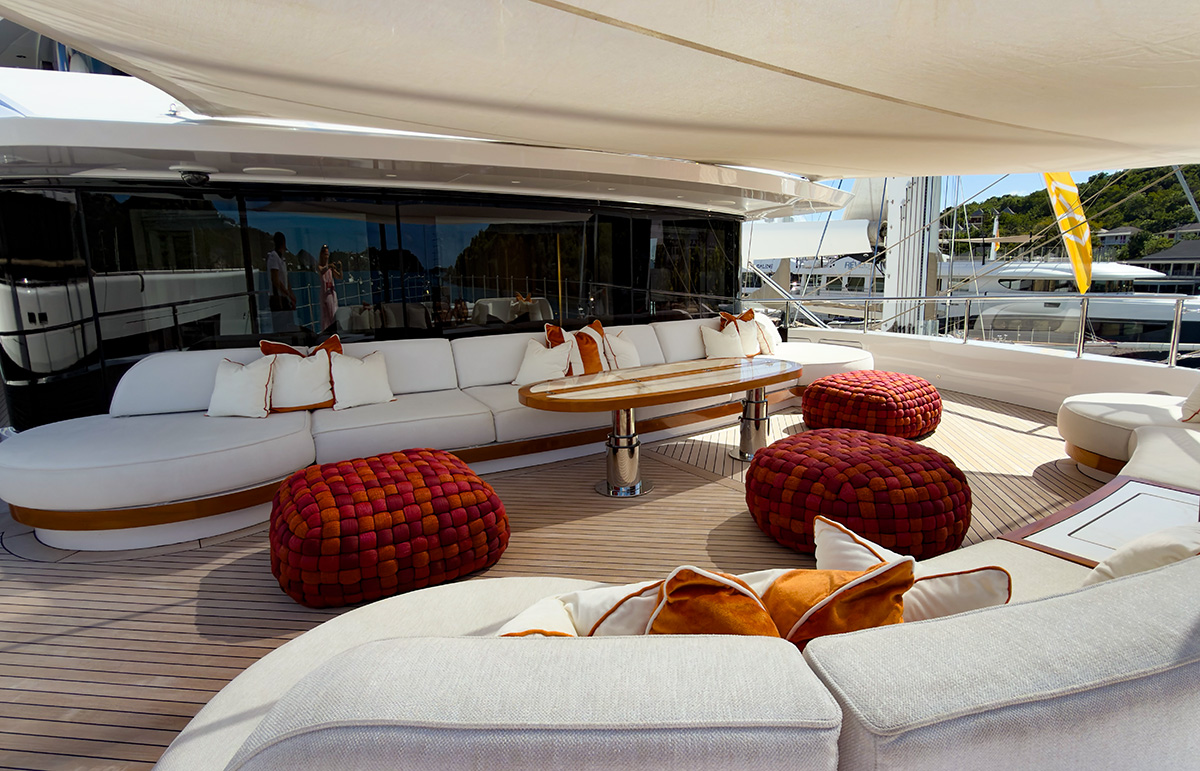
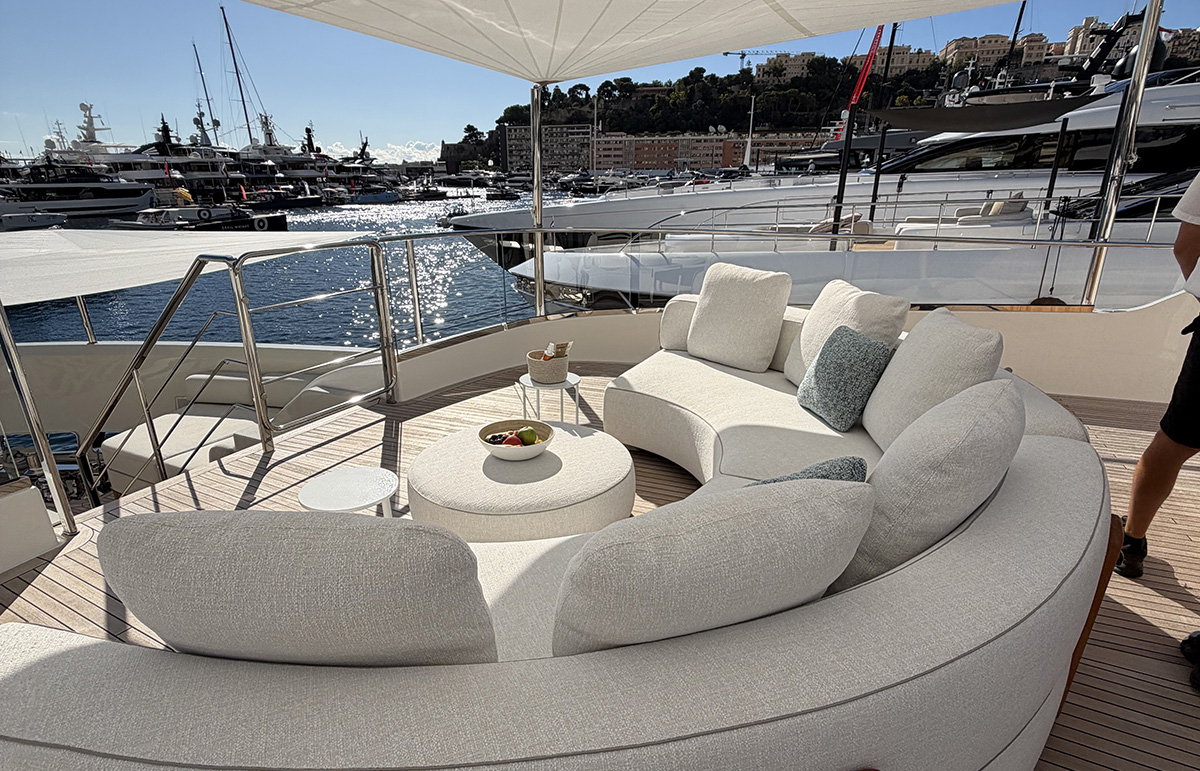
Chartering a yacht for the Monaco Grand Prix offers an experience that no grandstand or hospitality suite can match. From Port Hercules, guests enjoy a front-row position directly on the circuit, with uninterrupted views of iconic sections of the track, while remaining in complete privacy and comfort.
A Monaco Grand Prix yacht charter is also about access. During the Formula 1 weekend, Monaco becomes highly restricted, with limited mobility across the principality. A private yacht allows seamless access to the harbour, the circuit and the most sought-after events, all while avoiding the congestion on land.
Beyond the race itself, yachts become the centre of the Monaco Grand Prix social scene. From onboard hospitality and private events to evening parties in the harbour, the experience extends far beyond the track.
Whether for corporate entertainment, private celebrations or high-level networking, renting a yacht for the Monaco Grand Prix remains the most prestigious and efficient way to experience Formula 1 in Monaco.
“The Experience”
The Monaco Grand Prix is not only about the race.
From the moment yachts arrive in Port Hercules, the harbour transforms into one of the most exclusive social scenes in the world.
Guests experience the race from the water, surrounded by superyachts, private events and a unique atmosphere combining sport, luxury and high-level networking.
Quick Overview
Monaco Grand Prix Yacht Charter – Key Information
Dates: 4–7 June 2026
Berthing period: typically 5–7 days
Budget range: €150,000 – €1,000,000+
Best positions: limited and allocated early
Booking timing: ideally 6–12 months in advance
Monaco Grand Prix Yacht Charter – Berths, Zones
The Monaco Grand Prix is one of the most exclusive superyacht events in the world, where Port Hercules transforms into a tightly controlled, allocation-based environment.
Chartering a yacht during the Monaco Grand Prix is not simply about securing availability — it is about understanding port zone hierarchy, SEPM allocation procedures, hospitality pass structuring and operational timing months in advance.
This guide outlines the official 2026 berthing period, Port Hercules zone distinctions, typical superyacht budget structures and the strategic considerations required to secure a Monaco Grand Prix yacht charter under optimal conditions.
Monaco Grand Prix 2026 – Dates & Berthing Period
The Monaco Grand Prix Yacht Charter 2026 takes place from 4 to 7 June 2026, with the official Port Hercules berthing period running from 1 June (12:00) to 8 June (12:00). However, these dates represent far more than simple calendar entries.
During this controlled allocation window, every yacht occupying a berth in Port Hercules is subject to the official Grand Prix tariff structure, regardless of actual stay duration. Late arrival slots, early departures and extension requests are tightly regulated and require prior approval from Monaco Ports authorities.
For superyachts positioned for corporate hospitality or private client entertainment, the berthing period directly impacts operational logistics, crew rotation, provisioning schedules and security planning. Understanding these constraints early is essential when structuring a Monaco Grand Prix yacht charter under optimal strategic conditions.
Port Hercules Zones Explained - Monaco Grand Prix Yacht Charter
During the Monaco Grand Prix, berth allocation in Port Hercules is structured across several official zones that directly affect visibility, access, and the overall guest experience. However, beyond pricing, zone selection directly determines circuit visibility, guest experience, hospitality positioning and overall strategic value of the charter.
The most sought-after locations are the trackside berths along Quai des États-Unis, Quai Jarlan and the first two berths of Quai Louis II. These positions offer direct proximity to the circuit, elevated race visibility and optimal corporate hosting exposure. For high-profile entertainment or brand positioning, these berths represent the premium tier of Monaco Grand Prix yacht charter opportunities.
Zone 1 berths, including T Piscine and portions of Quais N, P, Q and U, maintain strong circuit adjacency while offering slightly more operational flexibility. They remain highly desirable for private superyacht charters seeking a balance between visibility and access flow management.
Zone 2 positions, located within the main harbour basin but outside direct trackside frontage, provide a more discreet yet still prestigious Monaco Grand Prix yacht charter setting. These berths often suit private family charters or lower-profile corporate gatherings.
Zone 3, primarily located in Port de Fontvieille, offers a quieter operational base outside the main circuit-facing environment. While less exposure-focused, it can provide logistical advantages depending on the charter structure and security requirements.
Ultimately, selecting the correct Port Hercules zone is not merely a pricing decision. It is a strategic choice that influences hospitality dynamics, guest movement, brand perception and long-term relationship positioning within Monaco’s Grand Prix ecosystem.
Monaco Grand Prix Yacht Charter – Berth Costs, Budget & Allocation Guide
The cost of a Monaco Grand Prix yacht charter varies depending on yacht size, berth position and hospitality requirements.
Berth costs during the Monaco Grand Prix vary significantly depending on yacht length, positioning within Port Hercules and overall exposure to the circuit. For a 60-metre superyacht, prime trackside berths can exceed €210,000, while more discreet positions within Zone 1 and Zone 2 offer lower entry points with reduced visibility. These figures reflect port fees only and remain entirely separate from the yacht charter rate.
In addition to berth pricing, clients must account for a broader operational budget. Multihulls typically incur a surcharge of approximately 60%, and full berth payment is required following Commission approval. Hospitality passes, catering, onboard event structuring, security coordination and guest accreditation are not included in berth fees and must be planned independently.
In practice, a Monaco Grand Prix yacht charter involving a 55–65m superyacht represents a comprehensive investment that extends well beyond the berth itself. Charter fee, VAT, provisioning, crew bonuses, logistics and event planning all contribute to the final budget. For high-profile charters, securing a prime berth is often the single most important factor influencing the overall experience.
Securing a berth is not a first-come, first-served process. Allocation is governed by the Monaco Ports Commission, which reviews each application based on vessel profile, positioning strategy and contribution to the event ecosystem. All requests must be submitted before the official deadline, typically in late February, and incomplete or strategically weak applications are frequently declined without appeal.
Early preparation and strong positioning significantly increase approval probability. Prime trackside berths are often discussed and reserved months in advance through established professional channels. Understanding both the financial structure and the allocation process is essential to securing the most strategic position during the Monaco Grand Prix.
Monaco Grand Prix Yacht Charter – Hospitality Access & Guest Accreditation
Securing a berth in Port Hercules during the Monaco Grand Prix does not automatically grant access to official hospitality areas. Guest movement within the circuit perimeter is strictly controlled, and all onboard visitors must hold valid ACM hospitality accreditation.
The Automobile Club de Monaco (ACM) operates a fully regulated wristband-based access system throughout the event. Guest lists must be submitted in advance and carefully validated, while crew, suppliers and technical providers require separate accreditation. Last-minute changes or substitutions are generally not permitted once lists are confirmed.
For clients seeking enhanced circuit access, Monaco Grand Prix hospitality lounges offer premium viewing positions, dedicated entry points and controlled access corridors within Port Hercules. These packages are typically priced around €5,000 to €7,000 per guest for a three-day experience, depending on the level of service and positioning.
Effective hospitality planning is essential when structuring a Monaco Grand Prix yacht charter. Guest list accuracy, accreditation coordination and tender logistics all play a critical role in ensuring a seamless and high-end onboard experience.
In such a highly regulated environment, operational discipline and precise accreditation management are as important as berth positioning itself, directly influencing the overall success of the event.
Trackside vs Non-Trackside Berths – Which One Should You Choose for Monaco Grand Prix?
During the Monaco Grand Prix, the distinction between trackside and non-trackside berths is not simply geographical — it directly defines the overall charter experience.
Trackside berths within Port Hercules are positioned along the circuit, offering immediate proximity to the race, unobstructed views and full immersion in the Grand Prix atmosphere. These locations effectively transform a superyacht into a private grandstand, where guests experience the race just metres from the action within a controlled and highly exclusive environment.
However, this level of exposure also comes with increased guest flow, higher visibility and more complex operational constraints. For corporate entertainment or brand positioning, trackside berths provide unmatched impact. For private use, they require careful planning to maintain comfort and privacy.
Non-trackside berths, while still located within Port Hercules, offer a more discreet and controlled experience. Although direct race views may be limited or absent, these positions provide easier logistics, smoother guest movement and a more relaxed onboard atmosphere throughout the event.
Ultimately, the choice between trackside and non-trackside positioning depends on the charter objective. Clients seeking visibility, prestige and immersion will prioritise trackside locations, while those favouring privacy and operational comfort may opt for alternative positioning within the harbour.
When to Book a Monaco Grand Prix Yacht Charter – Timing & Key Considerations
Planning a Monaco Grand Prix yacht charter requires anticipation well beyond traditional summer charter timelines. Prime trackside berths and high-demand superyachts are typically discussed and positioned between nine and twelve months before the event.
The official berth application process usually closes in late February, but in reality, strategic positioning begins much earlier. Yacht selection, preliminary negotiations and berth allocation strategy are often secured during the preceding autumn or early winter.
Waiting too long significantly reduces available options. By spring, most prime berths are already informally allocated, and yacht availability becomes limited. In the final months before the event, choices are typically restricted to secondary positions or less optimal yacht profiles.
One of the most common mistakes is approaching the Monaco Grand Prix as a standard charter booking. The event operates within a highly regulated and competitive environment, where timing, positioning and professional network access play a critical role.
In practice, securing the right yacht and berth requires early engagement, strategic planning and expert coordination across charter, port allocation and hospitality logistics.
Monaco Grand Prix Yacht Charter – Key Questions Answered
Monaco Grand Prix yacht charter availability evolves constantly.
The following answers reflect typical market conditions, but each request is unique.
Secure your Formula 1 Grand Prix Monaco Yacht Charter
If you are considering chartering a yacht for the Monaco Grand Prix, early positioning and strategic preparation are essential to secure the right yacht and berth.
At L’Echo Nautique, we advise a select number of clients on:
Yacht selection aligned with your event objectives
Strategic berth positioning within Port Hercules
Application structuring and approval optimisation
Hospitality planning and guest accreditation
Discreet onboard event coordination
Each Monaco Grand Prix yacht charter is managed with a tailored approach, ensuring both strategic positioning and a seamless onboard experience.
Private consultations are available upon request.
Contact us to discuss Formula 1 Grand Prix de Monaco Yacht Charter availability and strategic positioning.